DIGITAL ART
Digital art direction
Visual systems for digital publications, software and creative projects.
Computational artwork shaped by rules, geometry and creative exploration.
Explore the scope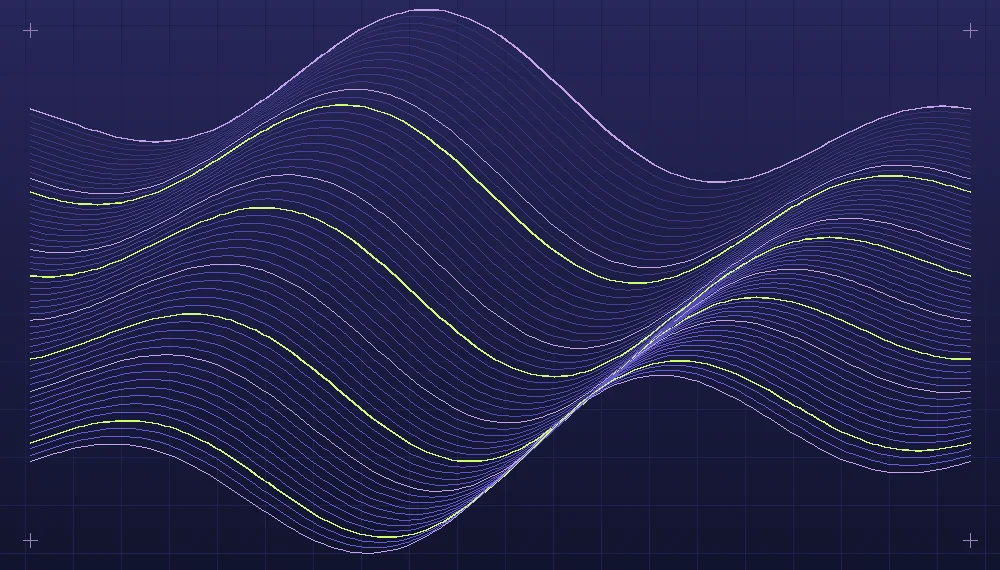
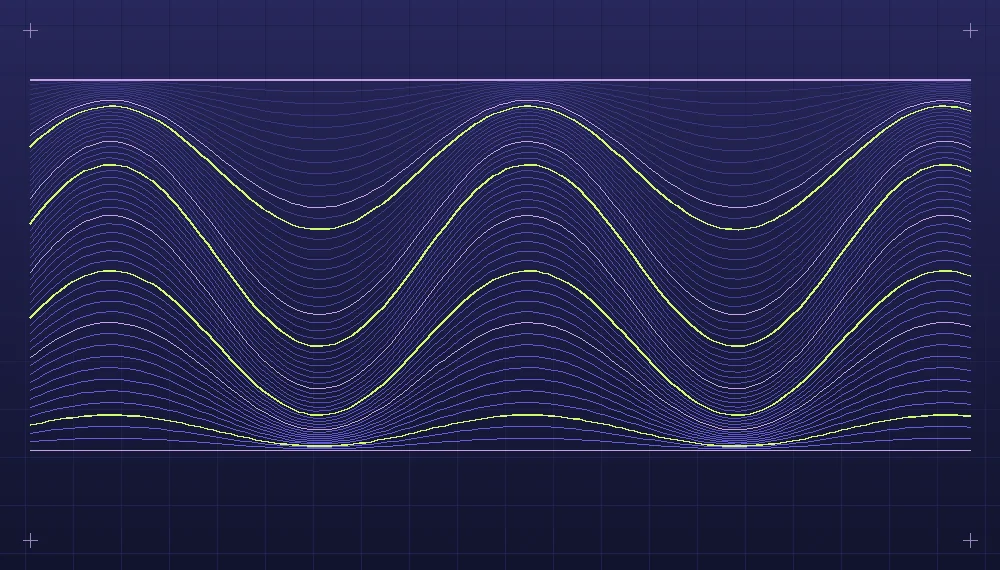
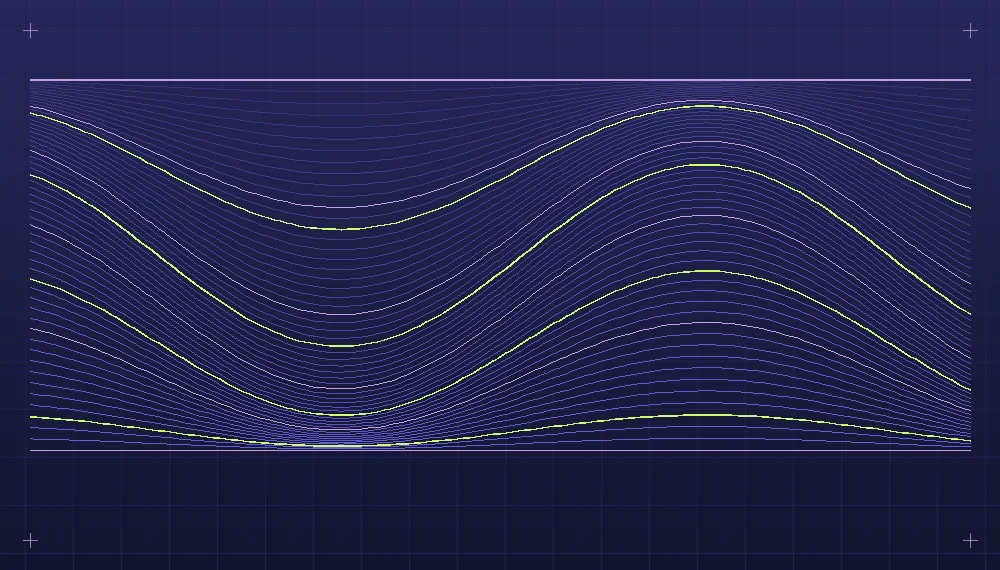
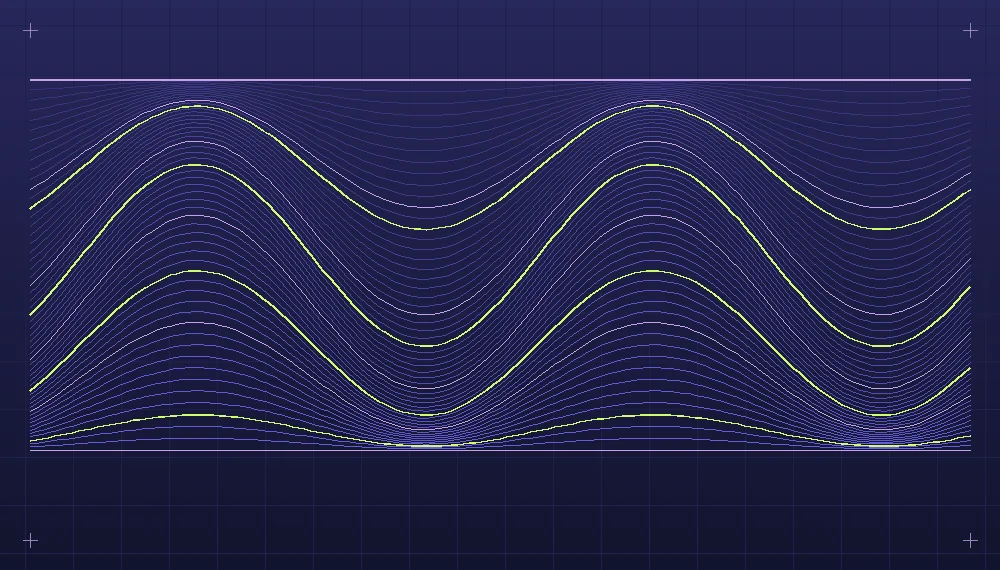
Artificial art explores how a visual idea can emerge from a program. Lines, mathematical curves, color roles and controlled randomness become materials in their own right. Each system can produce a collection whose results share a recognizable structure while varying in meaningful ways.
Generative lines can be developed from parametric curves, displaced parallel paths, intersections and other simple rules. Small changes in frequency, spacing or direction can produce distinct visual relationships.
A procedural composition records its seed, coordinate system, color roles and rendering parameters. Reproducibility provides a way to revisit a successful form or develop a series from it.
Curation is part of the work. Variants are compared at a consistent scale to examine silhouette, rhythm, density, contrast and negative space.
Final artwork is exported for its intended display conditions; web derivatives preserve the visible idea without requiring every visitor to fetch a print-sized original.
Original computational compositions, reproducible parameter sets, web-ready exports and a visual presentation suited to the artwork.
See the digital art journal for articles about related decisions, implementation considerations and working examples.
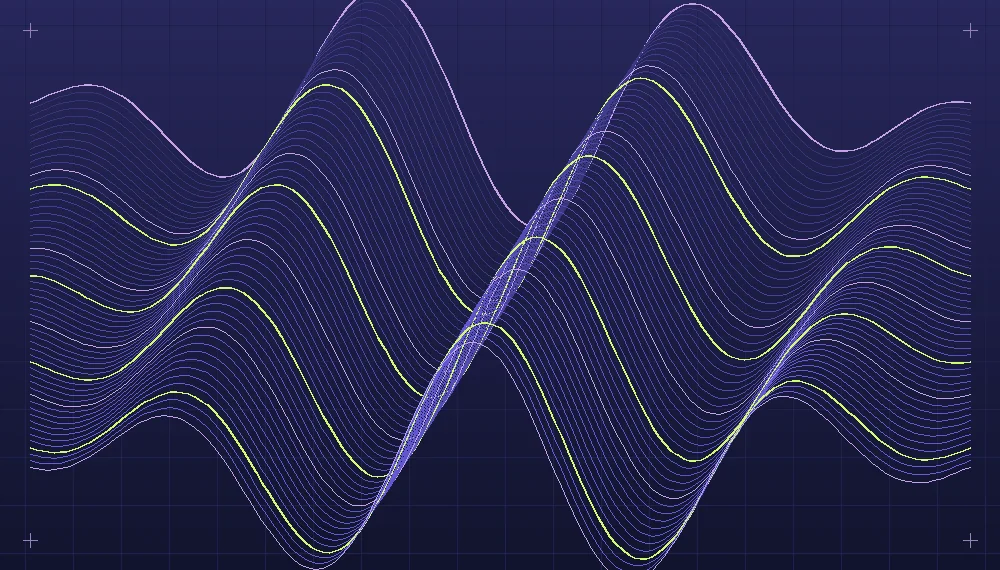
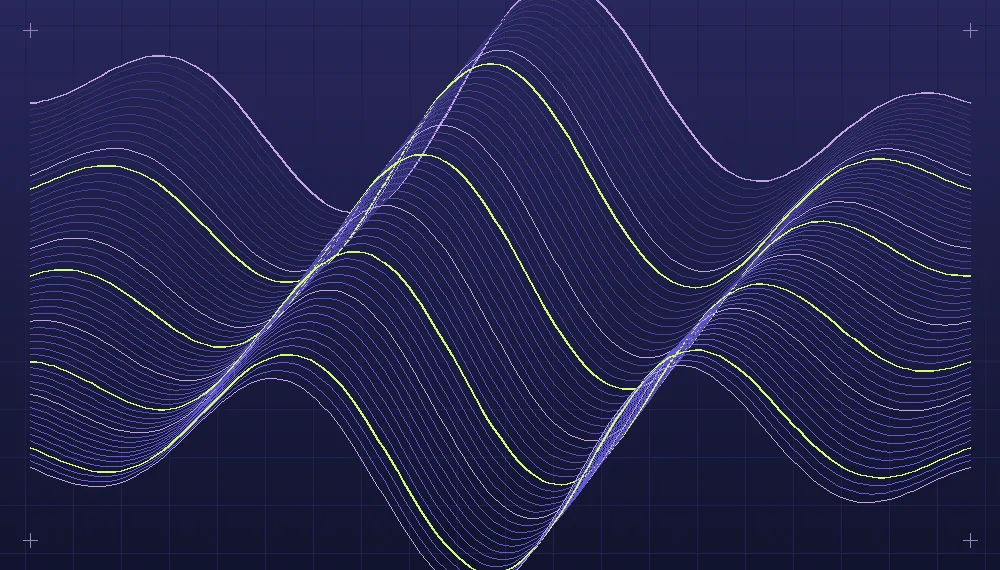
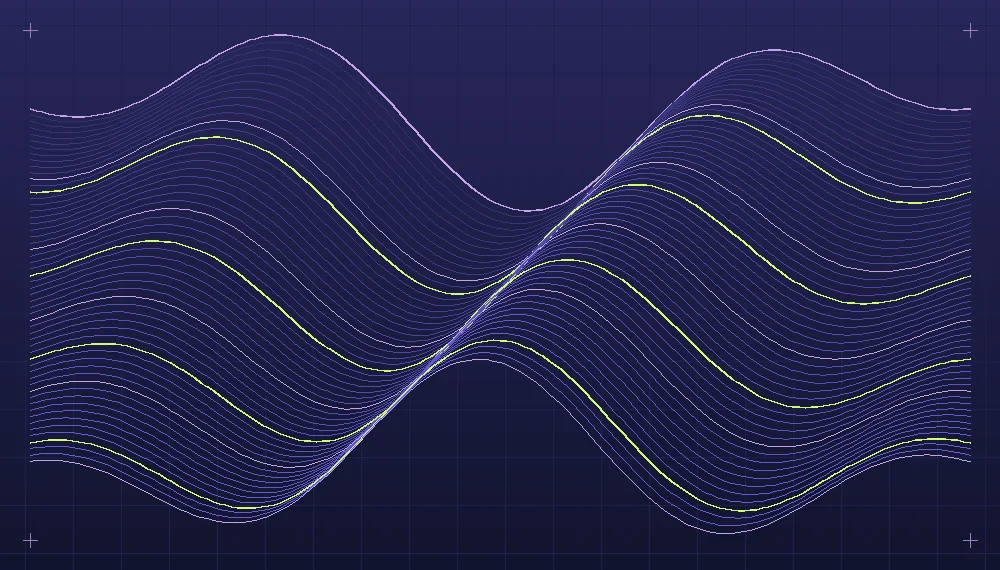
Original algorithmic illustrations: one family of rules, different color and geometry choices.
Other areas in this discipline.
Visual systems for digital publications, software and creative projects.
Practical notes associated with this service.
Select outputs that reveal different aspects of a visual system without losing coherence.
Read articleAllow interaction to reveal a generative system instead of hiding the artwork behind controls.
Read articleCreate variation that remains connected to an identifiable visual idea.
Read article